Anomaly Detected House Map Walkthrough
The best Anomaly Detected learning map—routes, baselines, and Intruder discipline.
Why House comes first
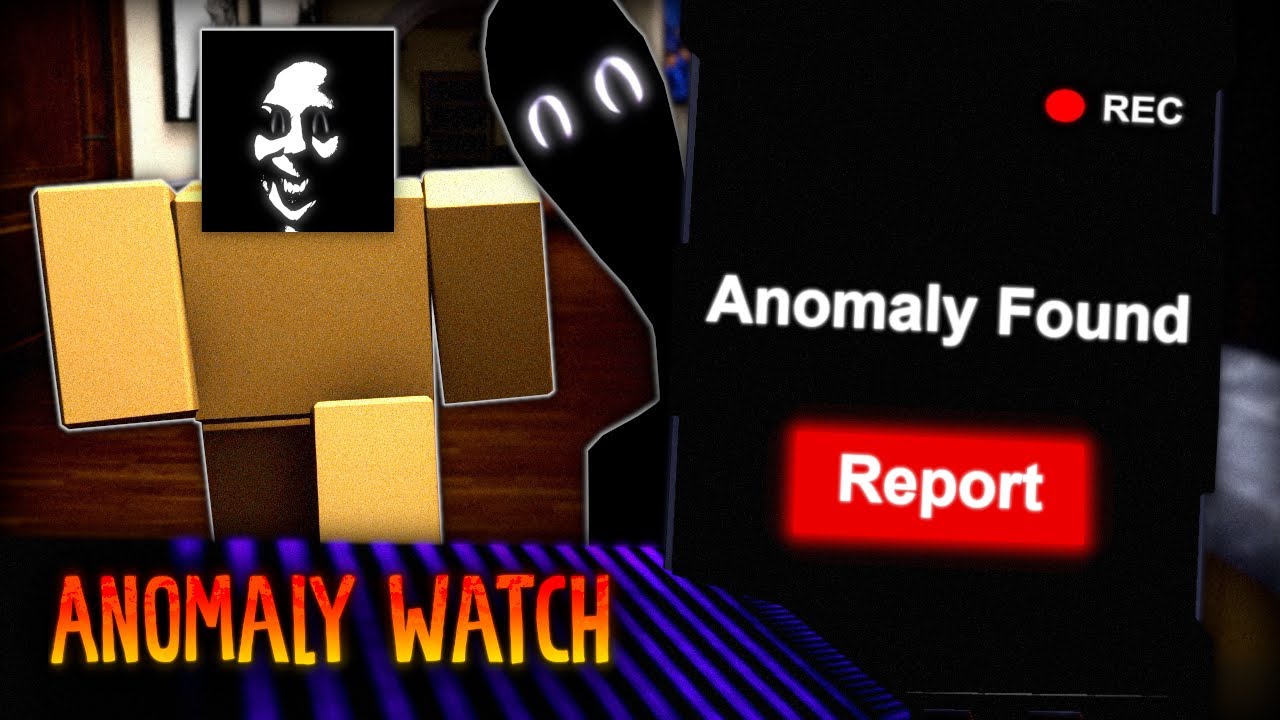
House is the S-tier learning map for Anomaly Detected on our Tier List. Props read clearly, routes are teachable, and the Report Tablet on PC is a clean R press (mobile uses the side button). If you skip House for Church hype, you will mis-report denser rooms later.
This walkthrough pairs with the embedded full House run mid-article. Use the video to learn layout flow, then build your own baseline notes.
New to the game? Read Getting Started and How to Play first.
Objectives on House
- Memorize “normal” furniture, art, and lighting per room.
- Spot Moved / Missing / Extra / Distorted / Imagery / Light / Other changes.
- Report Intruders immediately (How to Survive Intruders).
- Keep threat from cascading into Unreportable.
- Survive until 6 AM.
Suggested route philosophy
Do not random-warp room to room. Pick a loop that revisits spaces on a timer:
- Entry / living spaces — large furniture anchors (sofas, tables, lamps).
- Sleeping spaces — beds, side tables, wall art (imagery checks).
- Wet rooms / utility — bathrooms and side rooms where Missing Objects hide on shelves.
- Hallway sweeps — Intruder sightlines between wings.
- Repeat with comparison eyes, not tourist eyes.
Name rooms the same way every time so callouts match (“Hall Intruder,” not “uh, that corridor”).
Baseline checklist (first full lap)
On lap one, speak baselines out loud in co-op:
- Seat counts and chair angles
- Lamp on/off expectations
- Frame centers and subjects
- Shelf item counts
- Doorway sightlines for future Intruders
Lap two begins the real game: what changed?
Anomaly hotspots (House-specific advice)
- Moved Object: chairs and small tables betray you when you only watch walls.
- Missing Object: shelves and countertops—pause your eyes on empty rectangles.
- Extra Object: duplicates feel “almost right”; trust the count, not the vibe.
- Strange Imagery: portraits and posters—compare faces and subjects deliberately.
- Strange Light: quieter than Office but still real; confirm it is not a teammate.
- Distorted Object: stare half a second longer at anything that feels melted.
- Other: use when wrongness is obvious but taxonomy stalls—especially at Vague.
Class encyclopedia: anomaly types.
Intruder protocol on House
House sightlines are your friend. From junctions, peek both ways before committing to a long object inspection. If anyone calls Intruder, drop the vase debate and run the emergency protocol from the survival guide. Entity notes: Intruders—Idle/Naked, Geoffrey/Surprise at doors, Tall Figure/H.I.M, Unreportable/Hooded.
Power outage — basement box + door watch
When House lights die, the restore interaction is the basement power box:
- Call “Power out — basement box.”
- Send one basement runner; keep someone on halls/doors upstairs.
- Restore power at the box.
- Immediately watch the door / entry for Tall Figure—do not celebrate and scatter into bedrooms yet.
- Resume prop routes only after door angles are clear and threat is acknowledged.
Full blackout roles and Unreportable risk notes: Power Outage. Hardmode makes the same loop less forgiving (Hardmode).
Controls reminder
| Action | Input |
|---|---|
| Report Tablet (PC) | R |
| Report Tablet (Mobile) | Side button |
Office-only flashlight/sprint come later (Office walkthrough).
Co-op House plan (three players)
- Player A: living + hallway Intruder watch
- Player B: bedrooms + imagery
- Player C: utility + Missing Object shelves
- Rotate after each wipe or each successful 6 AM so skills spread
Two-player lobbies should keep one person semi-free as Intruder flex.
Common House failures
- Tourist looping without comparison passes.
- Three players stacked in one bedroom while the hall goes dark socially.
- Reporting Moved on a Missing shelf because nobody counted.
- Celebrating object clears while Evident Intruder threat ticks.
- Leaving for Office/Church after a single lucky House win.
Practice goals before you graduate
- Two clean House clears with intentional callouts.
- One clear where you correctly distinguish Missing vs Extra at least once.
- One clear where Intruder report latency feels instant.
- Ability to teach a friend the tablet key without opening this wiki.
Then move to Office darkness, then Church density (Church walkthrough).
Links for House mains
- How to Report Anomalies
- Guides Hub
- Tier List
- Updates for win counts / hardmode context
- Codes if someone asks mid-lobby (spoiler: none verified active)
- Wiki Overview
House is not “the easy baby map” forever—it is the map that installs the operating system. Install it properly, and every harder building in Anomaly Detected becomes a remix instead of a reset.
Frequently Asked Questions
Quick answers to the most common questions.
Is House the easiest Anomaly Detected map?
It is the best learning map with clearer baselines. Intruders can still wipe you, and complacency after early clears is common.
What key opens the tablet on House?
R on PC. Mobile players use the side on-screen button.
Should I learn House before Church?
Yes. Church is denser and expects tablet fluency you should earn on House first.
How do I practice baselines efficiently?
On the first lap, narrate prop counts and art subjects out loud. On later laps, only speak changes and Intruder checks.
Where do Missing Objects hide on House?
Shelves, counters, and small furniture tops. Pause on empty spaces instead of only scanning big silhouettes.
What do we do in a House power outage?
Send one player to the basement power box, keep door and hall coverage upstairs, restore power, then watch the door for Tall Figure before resuming prop routes.